A society free from inequality and injustice in which women and other underserved populations enjoy their fundamental human rights.
Our Mission
To build transformative and resilient communities through strategic partnerships, collective advocacy and grassroots action with individuals and organizations.
Who We Are
Where women rise, communities thrive.
Songtaba is a women, child rights and youth focused advocacy organization committed to the realization of the aspirations and rights of these groups in Ghana.
Formed in 2005 and officially registered in 2006, Songtaba has for nearly two decades worked with government agencies, civil society and community structures to promote a violence-free and just society where women, children and people with disabilities enjoy their fundamental human rights.
The organization champions the advancement of the rights of underserved populations through four thematic areas: Active Citizenship and Justice, Quality and Inclusive Education, Integrated Health and WASH, and Climate Resilient Communities and Decent Work.
Songtaba’s work is anchored on practical, rights-based approaches that empower right-holder groups to lead their own change agenda. Through capacity building, collective advocacy and partnerships, the organization supports communities to improve their livelihoods, household nutrition, resilience and social cohesion.
Songtaba operates under a five-year Strategic Plan (2023–2027) that guides its efforts to reduce poverty and violence, strengthen accountability, and promote leadership and participation among women, girls and other marginalized groups.
What We Do
Four thematic priorities to advance rights, inclusion and resilient livelihoods
Songtaba delivers practical, rights-based programmes that empower women, girls, youth and other marginalized groups to claim their rights and lead their own change agenda. Our work focuses on building community capacity, strengthening accountability and creating inclusive services that improve wellbeing and economic opportunity.
We strengthen legal literacy, civic engagement and accountability so communities can claim rights and hold duty bearers accountable. Activities include Faako Fund accountability forums, legal literacy volunteer training, public dialogues and campaigns against harmful practices such as witchcraft persecution.
We promote gender responsive, inclusive and safe learning environments that enable girls and vulnerable children to complete school and thrive. Initiatives include girls clubs, sponsorship support, re-entry advocacy and community sensitisation to reduce dropout caused by teenage pregnancy and child marriage.
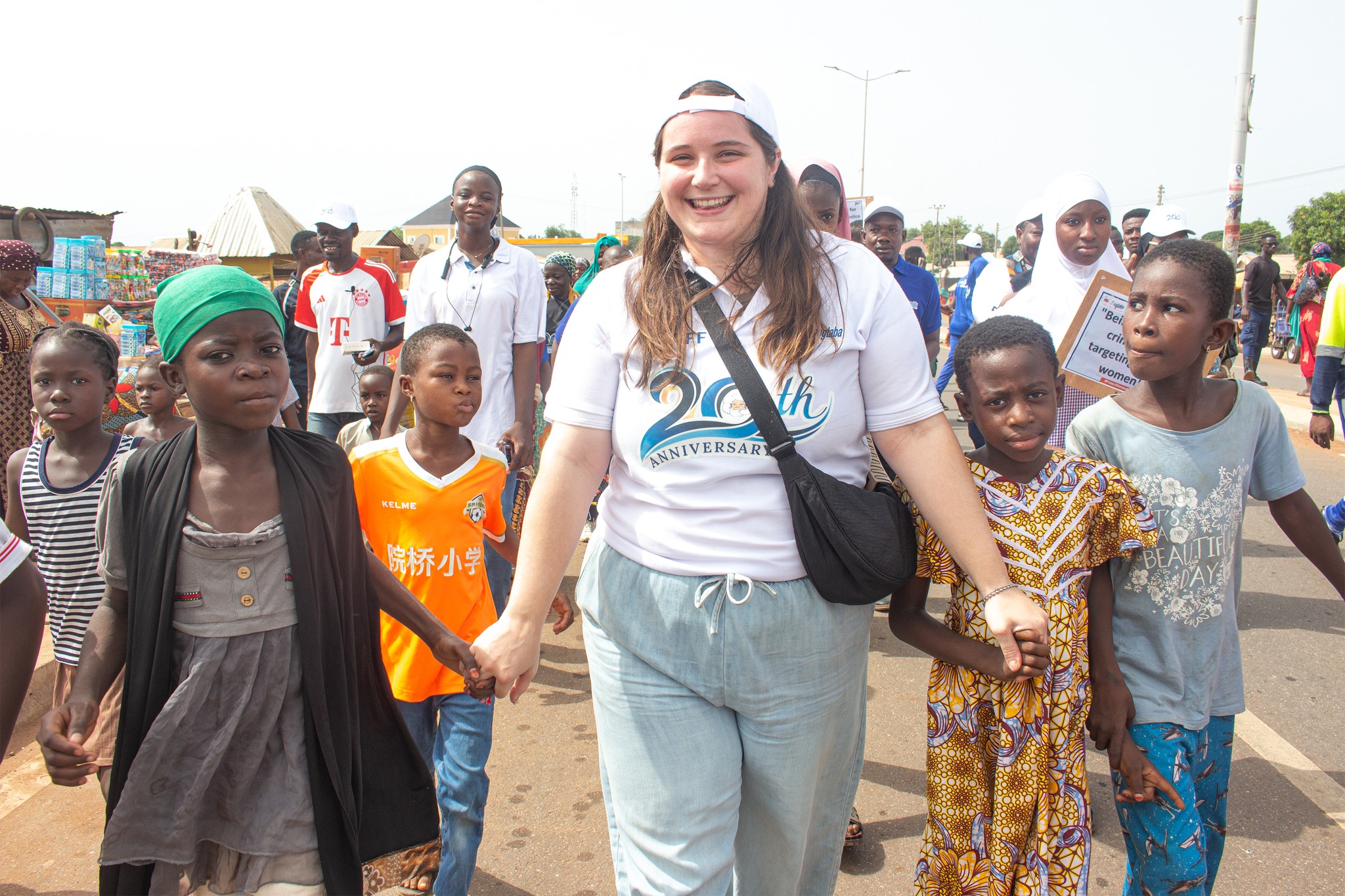
We advance adolescent sexual and reproductive health, maternal and child wellbeing, and improved water and sanitation. Program activities include menstrual health education, family planning forums, health rallies under the Power to Youth project, and community outreach with health service partners.
We support climate smart agriculture, livelihood diversification and fair work for women and young people. Interventions include farmer capacity building, VSLA support, soap making and skills training, and market system work to improve productivity, income and household nutrition.
We mobilize communities into networks and platforms to engage with duty bearers at local, regional and national levels. Through participatory analysis, awareness creation, and advocacy, Songtaba helps communities understand their rights, demand accountability, and influence policies that promote justice and equality.
Gender equality and social inclusion are cross-cutting priorities across all our interventions. Every project is designed to strengthen community leadership, ensure downward accountability, and promote fairness and transparency in governance and service delivery.
Songtaba’s approach combines practical livelihood empowerment with collective advocacy to create sustainable change that addresses the root causes of poverty, inequality and exclusion.